|
|
|
|
|
|  |
|
|

|
|
|
|
|
| |
|
|
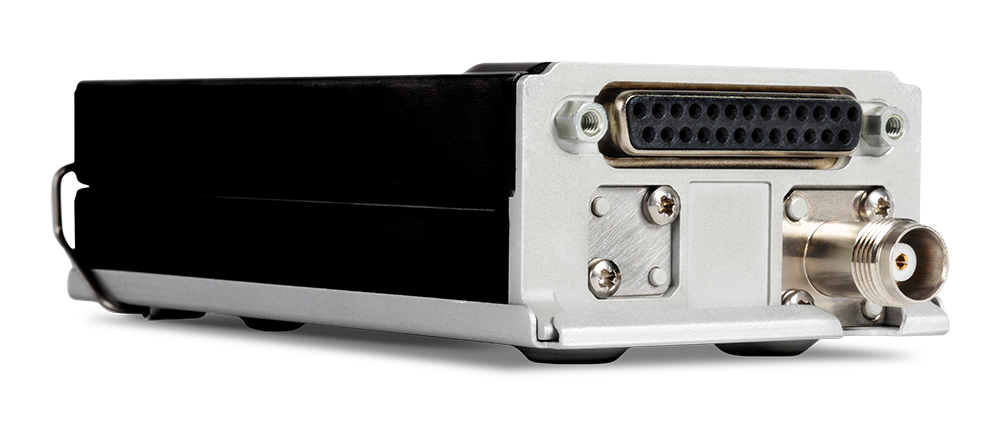
 The TT23 is a fully certified Class 1, Mode S transponder with ADS-B Out, suitable for both VFR and IFR flight. For the first time, it is also available with optional built-in GPS.
The TT23 builds on the success of the popular TT21 and TT22 transponders, retaining the same user-friendly controls that pilots know and trust. The new models include a built-in altitude encoder and feature a bright, easy-to-read LCD screen for intuitive operation and dependable performance.
The TT23 and TT23G are available now through Approved Trig Dealers worldwide.
TT23G: The TT23G features a built-in GPS receiver, making it the ideal choice for pilots seeking an integrated ADS-B out solution. The TT23G is perfect for experimental and light sport aircraft looking to meet the requirements for ADS-B out in the United States. In markets where ADS-B equipage is voluntary, the TT23G offers enhanced conspicuity and safety.
TT23: The TT23 is the same compact transponder without an internal GPS. For aircraft with a suitable GPS position source on board, the TT23 can be used as an ADS-B Out solution – including type-certificated aircraft in the US. An STC will be available to integrate with popular third- party GPS navigators, as well as the Trig TN70 Remote position source. For those that do not intend to equip with ADS-B out, the TT23 model is a high-quality, modern transponder with easy configuration options that make it suitable for any application.
Dynon Avionics is excited to announce a strategic investment in Trig Avionics, a UK-based manufacturer of transponders and communication radios. This investment brings Trig into The Dynon Group of companies and strengthens a long-standing partnership between the two innovators in general aviation. 
Dynon's Robert Hamilton (L) and Trig's Andy Davis (R)
Trig Avionics is a European manufacturer of avionics, with a focus on transponders and other radio-based products. Trig has earned a reputation for designing and manufacturing high-quality, compact, and energy-efficient avionics. Since its founding in 2004, Trig products have been trusted by pilots across a broad spectrum of general aviation aircraft, from light aircraft to helicopter
s and gliders.
For many years, Trig has supplied Dynon with private-labelled radio transceivers and transponders that integrate seamlessly into Dynon’s SkyView and Advanced product lines. This strategic move deepens that collaboration, allowing the two companies to align more closely and deliver an even broader range of avionics solutions to customers around the world.

Dynon, announces its new line of Corgi Aviation trim servos for experimental and light sport aircraft.
Corgi servos are designed to electrically move trim control surfaces and other systems in homebuilt and other light aircraft applications. In modern homebuilt and light sport aircraft, they are commonly installed alongside complete avionics + autopilot systems such as those available from Dynon and Advanced Flight Systems. When integrated, they enable autopilot auto-trim capability, which automatically trims the aircraft when under autopilot control. Corgi servos can be installed in any aircraft where electric trim control of a trim tab is desired regardless of avionics selection.

Originally developed in collaboration with an aircraft manufacturer, Corgi servos are flight-proven. They are installed and flying in over 100 S-LSA aircraft, and have proven to offer exceptional performance and reliability.
Corgi servos are available in six models, ranging from 0.7” to 1.2” of travel, in both clevis and threaded end varieties. They include both sides of the electrical connector and the pins needed to finish the aircraft side harness for easy connectivity. Internally, Corgi servos feature limiting switches to electrically inhibit motion at the ends of their range of travel. The output shaft is brass for enhanced strength and durability.

Unlock the full potential of your avionics system with SkyView HDX Academy.
From understanding core operation to navigating advanced features, this course will serve as your guide to mastering SkyView HDX whether you're new to the system or a seasoned flyer.
Enjoy learning how to use your avionics with SkyView HDX Academy – it's completely free.
We are excited to announce FAA approved compatibility of the Trio Pro Pilot Autopilot with Dynon Certified SkyView HDX systems. This integration allows even more pilots the ability to pair a new SkyView HDX avionics upgrade with an approach-capable, two-axis autopilot in their type certificated aircraft.

FAA Approved Integration: With Trio’s recent approval, Dynon SkyView HDX may be connected to the Trio Pro Pilot autopilot system, allowing it to follow guidance from SkyView HDX and connected external GPS navigators.
Approach-Capable Autopilot: When a compatible IFR GPS Navigator is installed, the Trio Pro Pilot can fly fully coupled approaches.
Full Trio Aircraft Model Line Coverage: This approval includes all type certificated aircraft models the Trio Pro Pilot is available for, adding dozens of models that can now benefit from installing a Trio Pro Pilot Autopilot alongside SkyView HDX.
FAA Approved Integration Features
When connected to a Trio Pro Pilot autopilot, SkyView HDX can serve as a single-entry point for heading, barometric altitude, and altitude pre-select. The configurable “bugs” that pilots set on their SkyView HDX system are automatically sent to the Trio Pro Pilot, allowing it to fly the guidance directly provided from SkyView HDX.
Additionally, when a compatible IFR GPS navigator is installed, the Trio Pro Pilot and Dynon SkyView HDX combine to provide full GPSS course guidance and auto-sensing for autopilot course and descent guidance during RNAV approaches. This allows pilots to fly fully coupled IFR GPS approaches with their integrated SkyView HDX and Trio Pro Pilot system.
Approved Aircraft Models
SkyView HDX is already approved for installation in nearly 800 piston single and twin models, including all models the Trio Pro Pilot is approved for. With this integration approval, SkyView HDX may now connect to Trio Pro Pilot installed in the following aircraft model families:
Cessna 150
Cessna 152
Cessna 170B
Cessna 172-172E (172F-S models have Dynon Autopilot approved)
Cessna 172RG
Cessna 175
Cessna 177
Cessna 180
Cessna 182-182D (Cessna 182E thru 182T, R182, T182, TR182, and T182T models have Dynon Autopilot approved)
Cessna 185
Cessna 190
Cessna 195/LC-126
PA-28
PA-32
PA-24
Grumman AA-5 (AA-5, AA-5A, AA-5B, AG-5B)
* See the Trio Autopilot AML for full model applicability.
More Information, Pricing, and Availability
Dynon SkyView HDX is currently approved for nearly 800 piston single and twin aircraft models, including all of the models Trio Pro Pilot is available for. SkyView HDX systems start at $11,010. Full information is available at www.dynoncertified.com.
Trio Pro Pilot is available from The STC Group at https://thestcgroupllc.com. Pricing varies by model and starts at $6,345 for Cessna 150/152 models.Dynon Certified announces that its autopilot - available as an option for its certified SkyView HDX avionics system - is now FAA approved for all Mooney M20J and M20K aircraft. When equipped, Mooney pilots benefit from a full-featured three-axis autopilot system – including yaw damper – that is approach capable when paired with a compatible third-party IFR navigator.

Pricing for a three-axis autopilot system starts at a list price of $6,434 for Mooney M20J/K series aircraft, including all required brackets, hardware, and servo harnesses. Frequently chosen options include the SkyView Autopilot Control Panel ($644), which provides dedicated autopilot controls for the pilot, and the Knob Control Panel ($335), which has dedicated knobs to adjust the values that pilots adjust the most when they fly under autopilot (altitude, heading/track, and altimeter setting).
